Understanding Battery Categories Under the EU Battery Regulation
If you sell batteries or battery-powered products in the EU, battery compliance starts with one critical question: what battery category applies to your product? Under the EU Battery Regulation, producers are not registered per individual battery model, but per battery category. Choosing the correct category determines your registration requirements, reporting obligations, and take-back responsibilities across the EU.
Misunderstanding battery categories is one of the most common causes of non-compliance. With stricter enforcement and expanding producer responsibility obligations, it is more important than ever to classify batteries correctly before placing them on the EU market.
Why battery categories matter for compliance
The EU Battery Regulation defines five distinct battery categories. Every battery placed on the EU market must fall into one and only one of these categories. Producers must register separately for each applicable category, and the obligations linked to battery compliance differ depending on the category involved.
A single business may therefore need multiple battery registrations if it sells different types of products, such as consumer electronics, industrial equipment, or electric mobility solutions. Correct classification ensures that reporting, labelling, collection, and recycling obligations are fulfilled accurately.
The five battery categories in the EU
1. Electric vehicle (EV) batteries
Electric vehicle batteries are designed to provide traction power for hybrid or fully electric vehicles. This includes batteries used in cars, vans, trucks, and trailers, as well as heavy batteries used in category L vehicles such as motorcycles when the battery weight exceeds 25 kilograms.
2. Light means of transport (LMT) batteries
Light means of transport batteries, often referred to as LMT batteries, are sealed batteries weighing 25 kilograms or less that provide traction power for light electric vehicles. Typical examples include batteries used in e-bikes, e-scooters, and lightweight electric mopeds.
3. Starting, lighting and ignition (SLI) batteries
Starting, lighting and ignition batteries, known as SLI batteries, are designed primarily to start engines, power vehicle lighting systems, or support ignition. These batteries are commonly used in conventional vehicles, motorcycles, and certain types of machinery and may also serve auxiliary or backup functions.
4. Industrial batteries
Industrial batteries are designed for professional or industrial use, including energy storage systems, infrastructure applications, and second-life or repurposed batteries. In addition, any battery weighing more than 5 kilograms that is not classified as an EV, LMT, or SLI battery is automatically considered an industrial battery.
5. Portable batteries
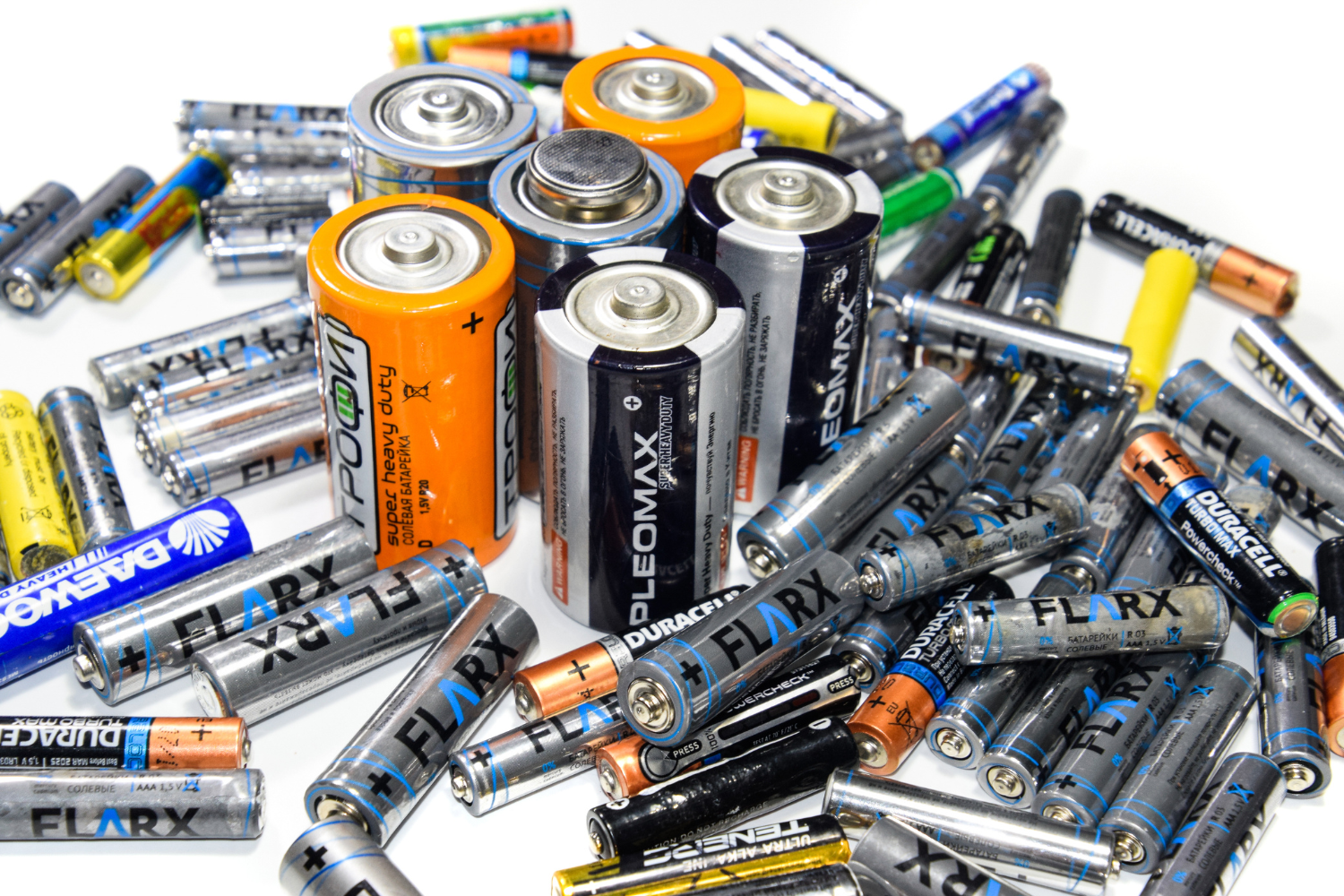
Portable batteries are sealed batteries weighing 5 kilograms or less that are not designed for industrial use and do not fall into any other category. These batteries are typically found in consumer electronics and everyday household products.
Using the decision tree to identify your battery type
To simplify battery classification, we recommend using the decision tree included in this article. By answering a short series of questions about battery function, vehicle type, intended use, and weight, you can quickly identify the correct battery category under the EU Battery Regulation. This structured approach helps reduce uncertainty and supports accurate battery registration and reporting.

How RLG can support your battery compliance
Navigating battery compliance across the EU can be complex, particularly for companies selling into multiple markets or across multiple battery categories. RLG supports producers with end-to-end battery compliance solutions, including battery registration, regulatory assessments, ongoing reporting, and take-back and recycling obligations.
Our experts help you correctly classify your batteries, register in the required EU countries, manage data submissions, and meet collection and treatment requirements under the EU Battery Regulation. With RLG as your compliance partner, you can focus on growing your business while ensuring your battery obligations are met accurately and efficiently.
If you are unsure which battery category applies to your products or need support with battery compliance in the EU, RLG is here to help.