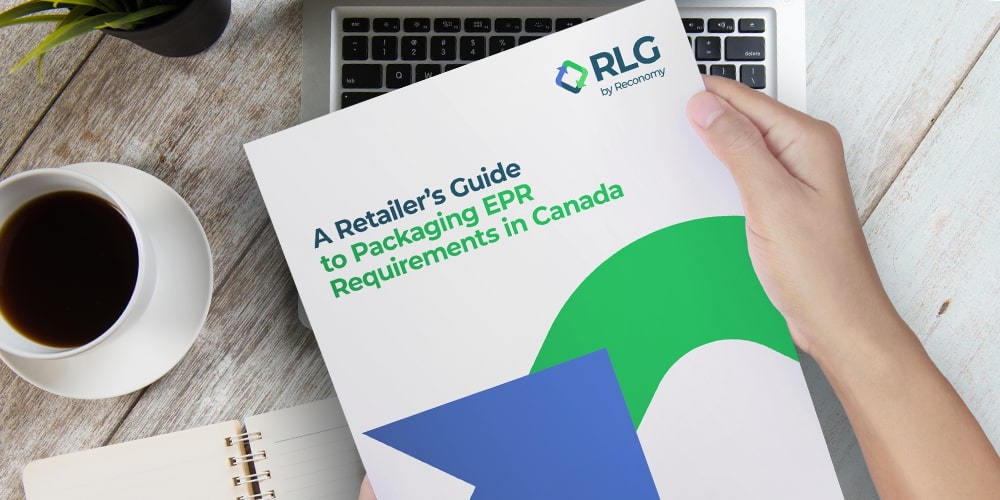
This guide helps retailers understand packaging Extended Producer Responsibility (EPR) compliance in Canada. As EPR laws shift responsibility for managing packaging waste to producers (including retailers), businesses must navigate varying provincial and territorial regulations.
Whether you operate physical stores, e‑commerce, or both, this resource clarifies your obligations and which packaging materials require reporting.
Inside This Resource, You’ll Learn:
- Why you must track, report, and pay fees on packaging, and how requirements vary across jurisdictions.
- The distinctions between packaging types and how they determine your reporting responsibilities.
- Which shipping materials are reportable (from boxes to protective materials), and who reports product versus shipping packaging.
- If in-store displays and promotional packaging fall under EPR regulations.
- Importer responsibilities, third-party sellers, small business exemptions, and reusable packaging treatment.
Key Questions Covered
- What is Packaging EPR, and how does it impact retailers?
- What are primary, secondary, and tertiary packaging?
- What do e‑commerce retailers need to know?
- Are retail-specific materials like store displays covered?
- What about imports, marketplaces, and exemptions?
Real-World Scenarios
The guide includes practical examples, from fresh bakery items to white-label products and branded packaging, explaining your specific EPR obligations.
Download the Complete Guide
Get the full resource for detailed packaging classifications, jurisdiction-specific insights, and actionable compliance strategies backed by RLG’s 30+ years of EPR expertise.
Disclaimer: This resource should not replace professional legal counsel—always consult qualified legal professionals for current information specific to your situation.